
Meet the FABLE Czech country team
The team is led by the Institute of Global Change Research of the Academy of Sciences of the Czech Republic (CzechGlobe). CzechGlobe focuses on interdisciplinary research on the impacts of global change in key areas such as atmosphere and climate, ecosystems, socio-economic systems, and the development of technologies to mitigate these impacts. Its research also focuses on the structure of living systems and the development of special biotechnologies, impacts and adaptation mechanisms from the molecular level, through cellular structures, organisms to entire ecosystems and regional studies.
The team’s main areas of interest have been in climate change impacts, adaptation and mitigation, extreme events and land-use modelling
Models used by the team: FABLE Calculator and GLOBIOM, crop models, water-plant energy and water balance models, statistical modelling and agro-climatic models.
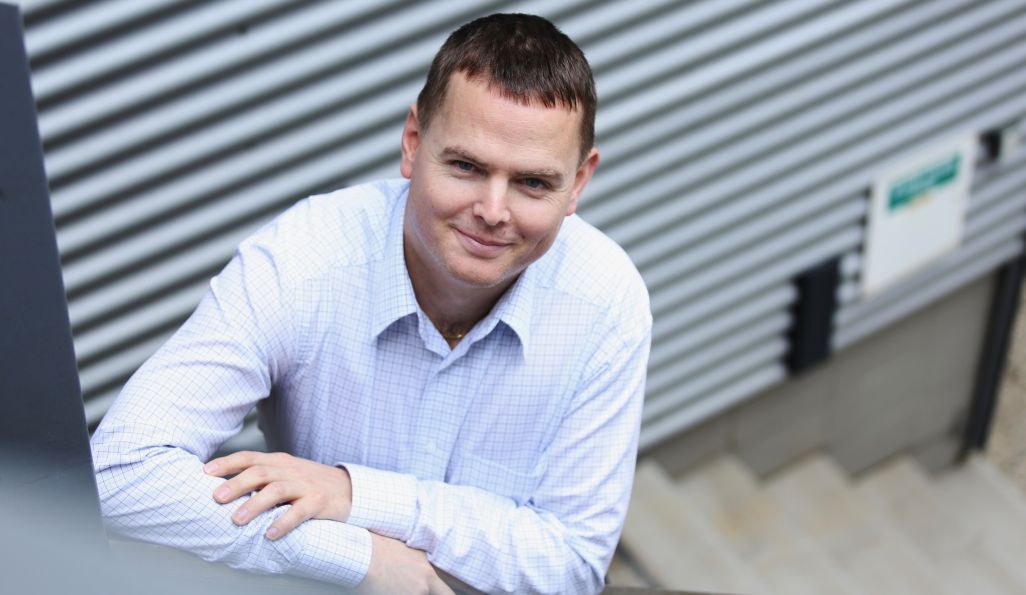
Miroslav Trnka
CzechGlobe; Mendel University

Juliana Arbelaez Gaviria
CzechGlobe
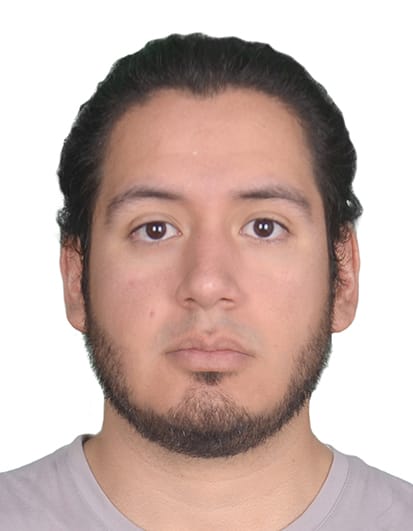
Pedro Nestor Lezama Benites
CzechGlobe
Lenka Bartošová
CzechGlobe
Transforming food and land-use systems in the Czech Republic
The agricultural and forestry sectors in Czechia face intertwined challenges of ecosystem degradation, climate vulnerability, and structural inefficiencies. Agriculture is characterized by intensive fertilizer use, contributing substantially to non-CO₂ emissions, with agriculture accounting for 60% of national N₂O emissions . Large-scale monocultures and low-productivity livestock systems exacerbate soil depletion and biodiversity decline, while land concentration limits the adoption of diversified and sustainable small-scale farming practices.
The forestry sector, traditionally a net carbon sink, has been increasingly stressed by climate change. Bark beetle outbreaks have devastated spruce monocultures, underscoring the urgent need for species diversification and closer-to-nature silviculture. At the same time, water management challenges persist, with only 12.2% of surface water bodies projected to reach good ecological status by 2027.
Key strategic interventions focus on scaling organic farming, reducing fertilizer and pesticide use, restoring degraded peatlands and habitats, and enhancing water retention and biodiversity. In forestry, the goal is to reduce annual net land losses, increase the share of deciduous trees, and strengthen resilience through restoration and adaptive management. Czechia’s agricultural and forestry transformation is also linked to policy and economic instruments, such as aligning CAP subsidies with climate objectives, expanding carbon farming initiatives, and improving monitoring systems for LULUCF.
Key national objectives and targets
- Achieve climate-neutral by 2050, including restoration of the LULUCF carbon sink to at least -827 kt CO₂e/year by 2030.
- Deliver a 26% reduction in non-ETS emissions by 2030, with agricultural non-CO₂ emissions cut by 15% through improved manure and nutrient management.
- Advance sustainable agriculture, with 25% of farmland under organic farming by 2030, reduced fertilizer and pesticide use, and restoration of 30% of degraded peatlands by 2030 (50% by 2050).
- Strengthen ecosystem and biodiversity resilience through rewetting of 30% of degraded habitats by 2030 (90% by 2050), increased deciduous tree share to 35.6%, and limiting annual net loss of agricultural and forest land to 0.25% by 2030.
Research interests in food and land-use
The Czech FABLE team is interested in how climate change affects agriculture, forestry, and water systems, with a particular focus on droughts, extreme weather, and shifting crop and pest dynamics. Our research explores how these changes influence the yields and resilience of key crops, especially cereals, and how adaptation measures can strengthen food security. We also study the role of soil and water management, biodiversity conservation, and land consolidation in improving ecological stability and supporting long-term sustainability. At the policy level, our work examines the implications of EU agricultural frameworks and the role of international trade for smaller economies. By combining these perspectives, the Czech team seeks to contribute to FABLE’s mission of identifying pathways that integrate climate resilience, sustainable food production, and just transformations.
Policy engagement
The Czech team aims to support evidence-based policymaking by integrating national priorities into EU and international frameworks. The FABLE calculator will be applied to assess pathways for the AFOLU sector, identify synergies between climate mitigation and adaptation, and promote informed dialogue with stakeholders across agriculture, forestry, and water management systems.
Publications
- Trnka, M., Bartošová, L., Grammatikopoulou, I., Havlík, P., Olesen, J. E., Hlavinka, P., Marek, M. V., Vačkářová, D., Skjelvåg, A., & Žalud, Z. (2022). The Possibility of Consensus Regarding Climate Change Adaptation Policies in Agriculture and Forestry among Stakeholder Groups in the Czech Republic. Environmental Management, 69(1), 128–139.
- Trnka, M., Feng, S., Semenov, M. A., Olesen, J. E., Kersebaum, K. C., Rötter, R. P., Semerádová, D., Klem, K., Huang, W., Ruiz-Ramos, M., Hlavinka, P., Meitner, J., Balek, J., Havlík, P., & Büntgen, U. (2019). Mitigation efforts will not fully alleviate the increase in water scarcity occurrence probability in wheat-producing areas. Science Advances, 5(9), eaau2406.
- Trnka, M., Rötter, R. P., Ruiz-Ramos, M., Kersebaum, K. C., Olesen, J. E., Žalud, Z., & Semenov, M. A. (2014). Adverse weather conditions for European wheat production will become more frequent with climate change. Nature Climate Change, 4, 637–643.