From June 10th to 12th, researchers, policy experts, and country teams from around the world gathered in Istanbul for the 16th FABLE Consortium Meeting. The atmosphere was lively and forward-looking: How can we design future food and land-use systems that stand strong in the face of climate uncertainty? How do we make scientific evidence easier for decision-makers to use? And how can countries work together when policies in one place affect outcomes in another?
Amid these questions, one theme kept surfacing—the need for tools that bring people into the modeling process, not just the outputs. This year, the IIASA team introduced a new initiative to help make that happen: the Public Policy Lab (PPL).
A New Way to Explore the Future Together
The idea behind the PPL is simple: Policy decisions shouldn’t be made in isolation from the people they affect. Yet, food and land-use models like FABLE-C are complex, and the decisions they inform—diet shifts, land protection, import strategies—can be hard to evaluate without the right support. The PPL was built to bridge this gap.
Instead of presenting stakeholders with static reports or fixed scenarios, the PPL lets them experiment with policy options themselves. Alone in their offices or in workshop settings, participants can explore “What if?” questions such as
- What if we protected more forests?
- What if we increased yields?
- What if diets changed?
- What if trade patterns shifted?
With each adjustment, the model updates instantly, revealing trade-offs and synergies. These surprising interactions that emerge enhance discussion among people because they are not based on abstract numbers but on concrete futures.
How It Works
The PPL transforms the process of exploring national food and land-use futures into an intuitive, collaborative experience. Each part of the tool is designed to guide stakeholders from curiosity to understanding.
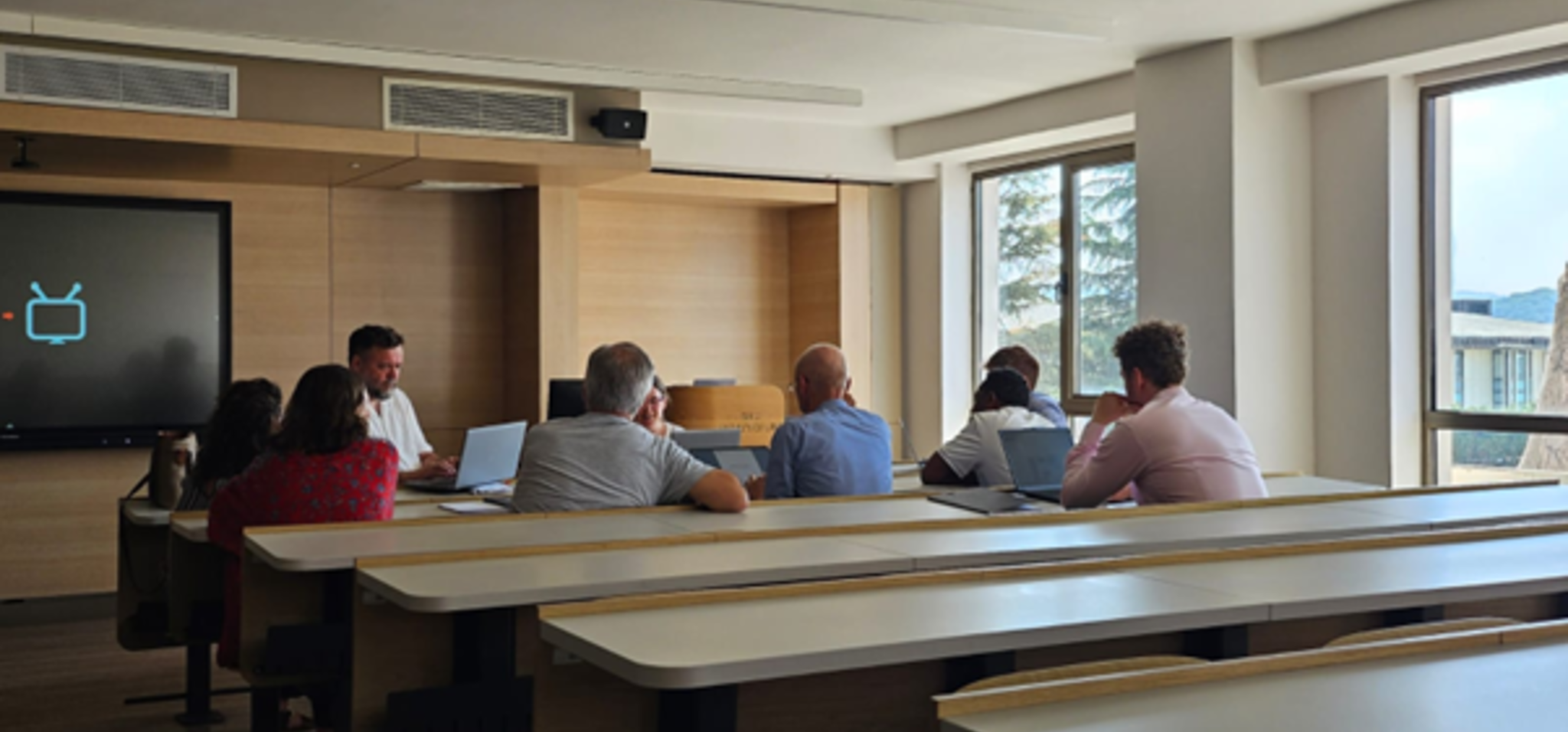
It all begins in conversation. Workshops bring modelers and stakeholders together around a shared interface, enabling real-time exploration of policy ideas. The atmosphere often feels like the picture from the Istanbul meeting—people gathered around a table, discussing options, raising questions, and discovering insights together.
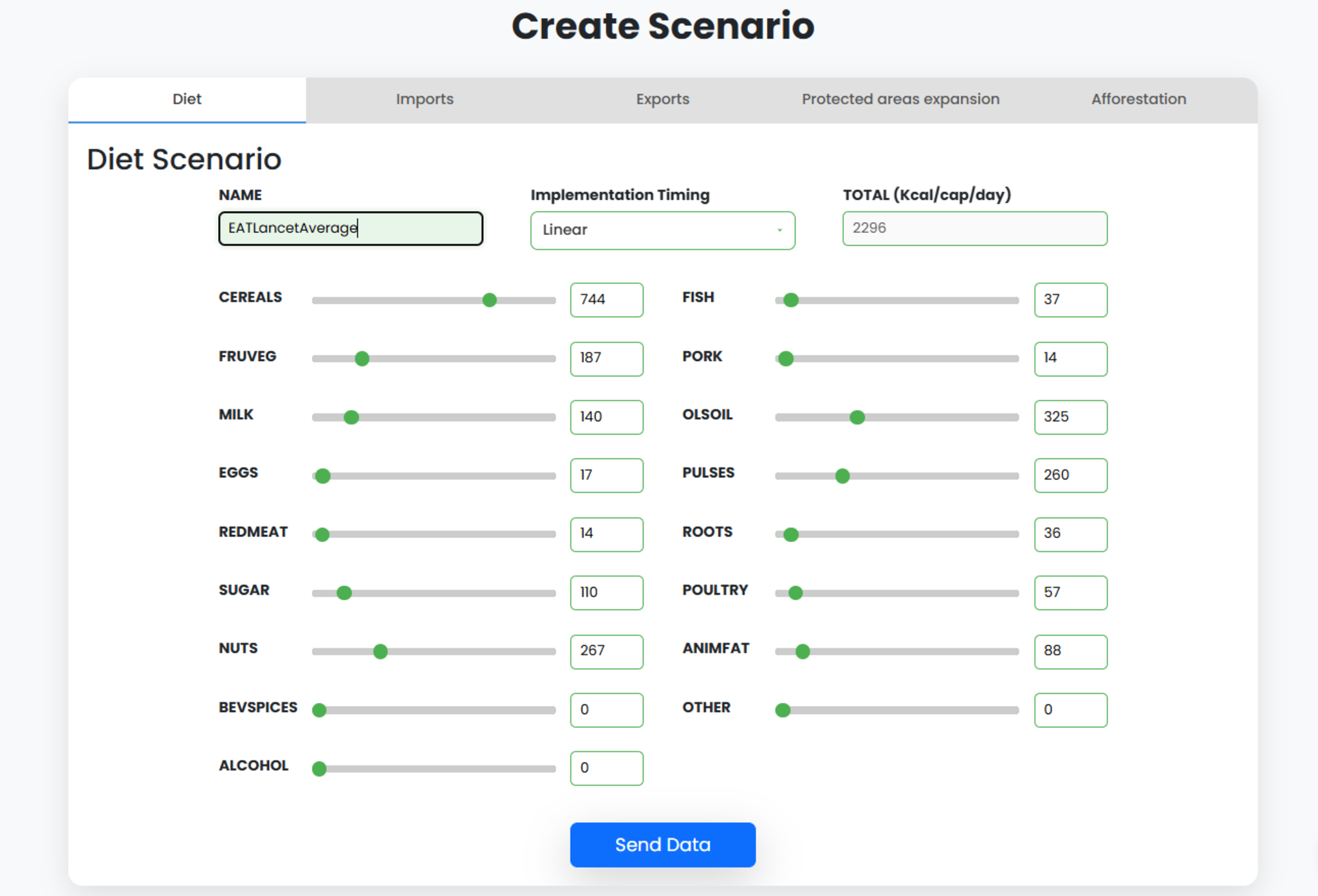
Once the discussion begins, participants can dive into scenario creation. The PPL interface makes it easy to adjust policy levers, including diets, imports and exports, protected area expansion, and afforestation. Instead of editing spreadsheets, users engage with simple sliders and menus to craft their own futures.
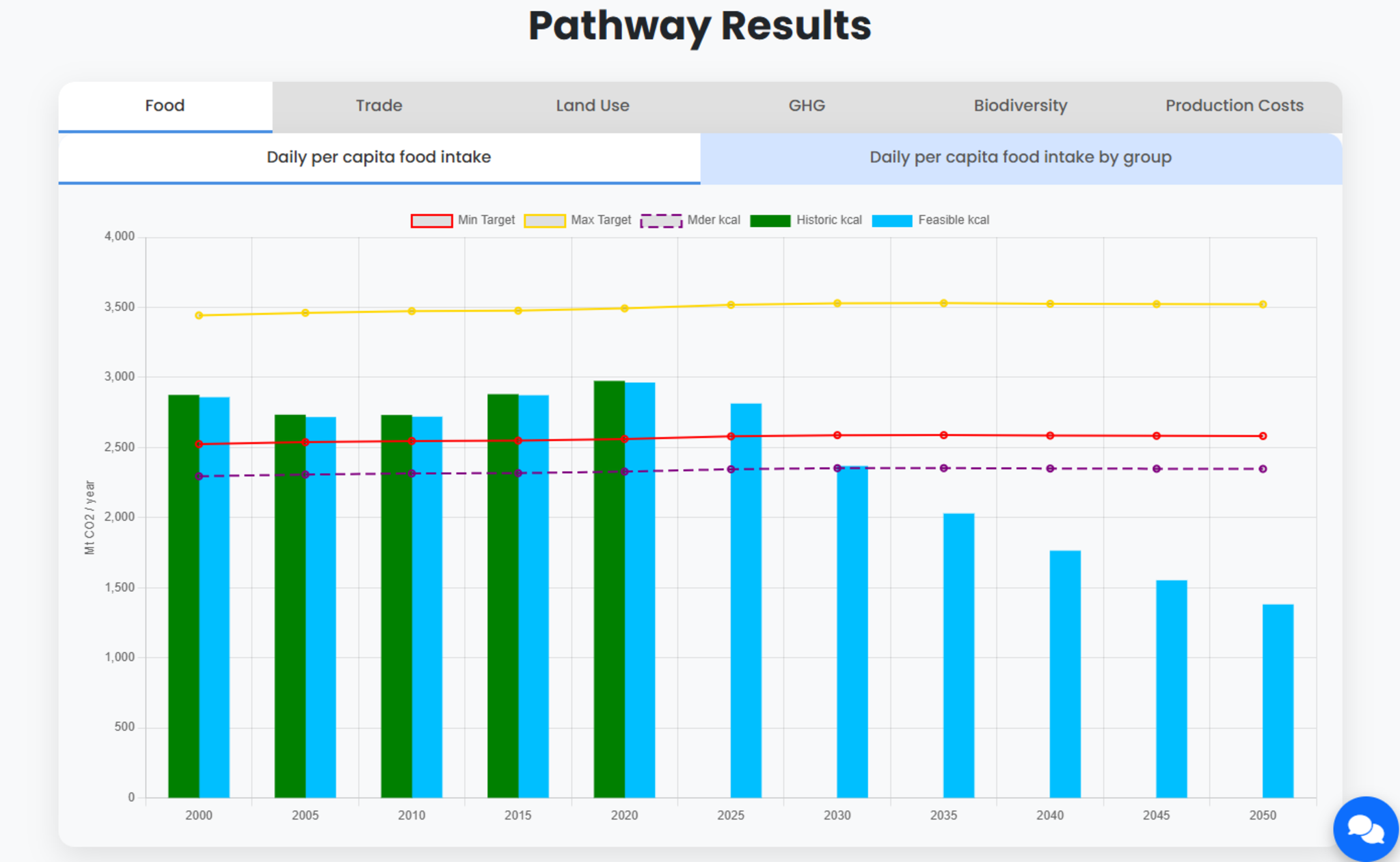
As soon as a scenario is defined, the tool computes its impacts instantly across the FABLE-C modeling framework. Stakeholders can immediately see how their choices influence land use, food intake, greenhouse gas emissions, biodiversity, and production costs.
The visualizations allow users to track the evolution of key variables over time, helping them understand not only the final result but also the pathway that led to it.
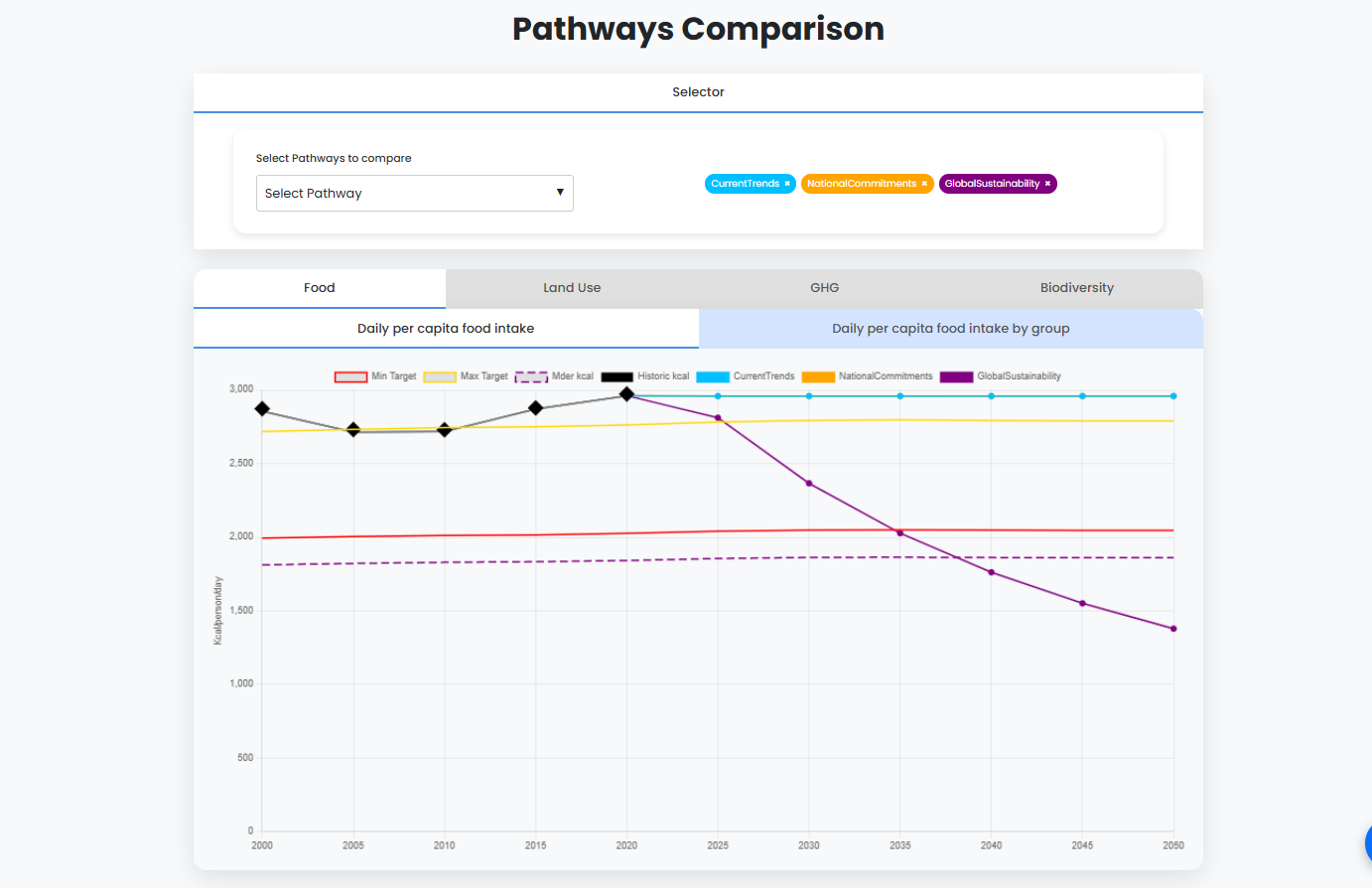
The PPL also enables side-by-side comparisons. Multiple scenarios or pathways can be selected and examined together, making trade-offs easier to understand. This is especially powerful when stakeholders want to explore how diet changes compare with trade adjustments, or how protected-area expansion differs from afforestation in long-term outcomes.
To support users throughout this journey, the PPL Assistant provides real-time explanations. It helps clarify what each policy lever does, suggests ways to achieve specific goals, and translates model behavior into clear, accessible language. Whether working with FABLE country teams, ministry officials, technical experts, or other decision-makers, the assistant ensures that everyone in the room can engage confidently with the tool and contribute meaningfully to the discussion.
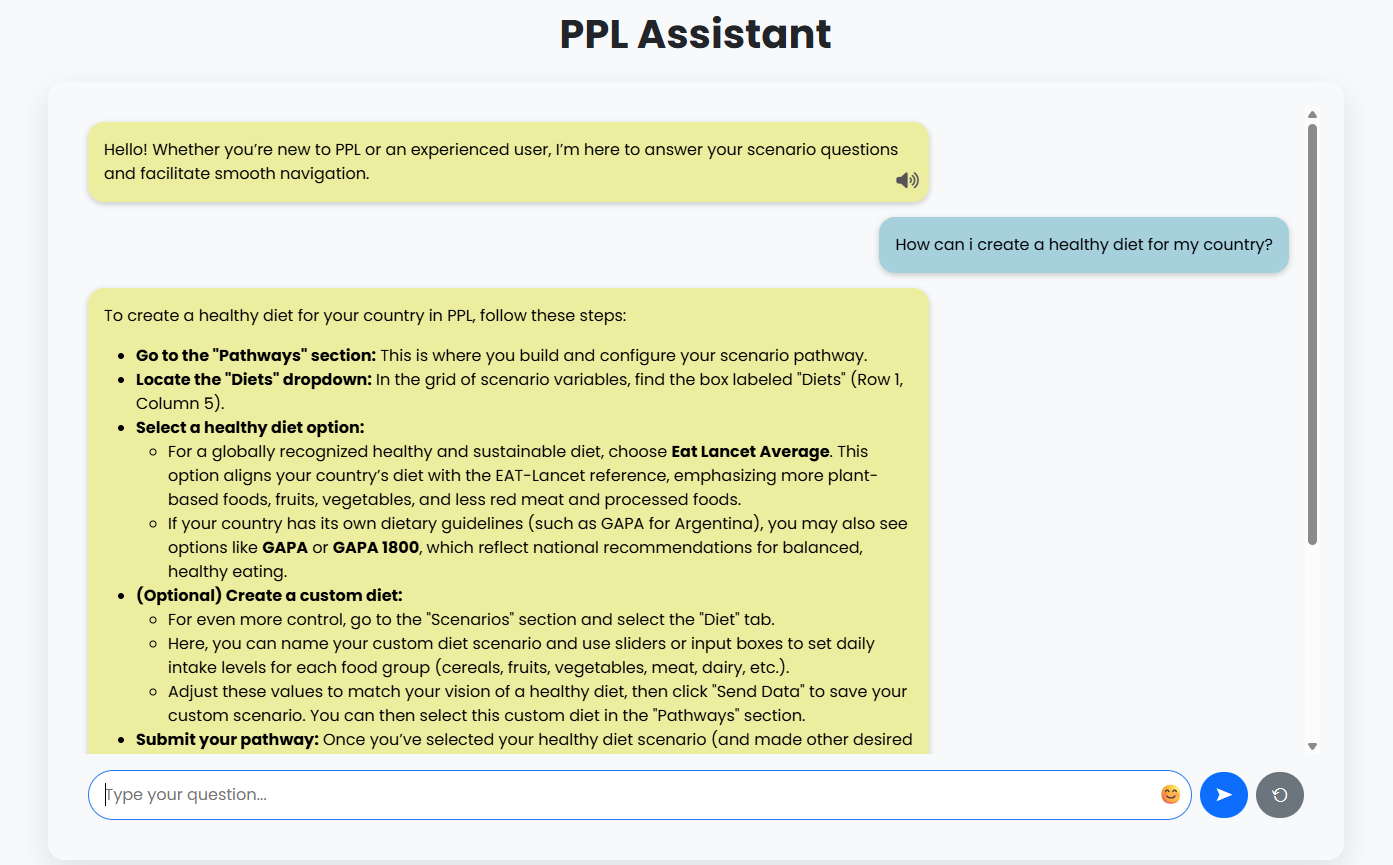
Together, these elements turn the Public Policy Lab into more than a tool—it becomes a shared space for learning, dialogue, and evidence-based decision-making, where stakeholders can explore policy options grounded in data and supported by transparent modelling insights.
The Public Policy Lab also offers an AI-generated pathway report designed to help users understand the implications of the scenarios they create. This report summarizes the pathway description, highlights key assumptions, and presents explanatory charts of the resulting FABLE-C outcomes. It also provides concise, accessible interpretations of model results to help users grasp the underlying dynamics.
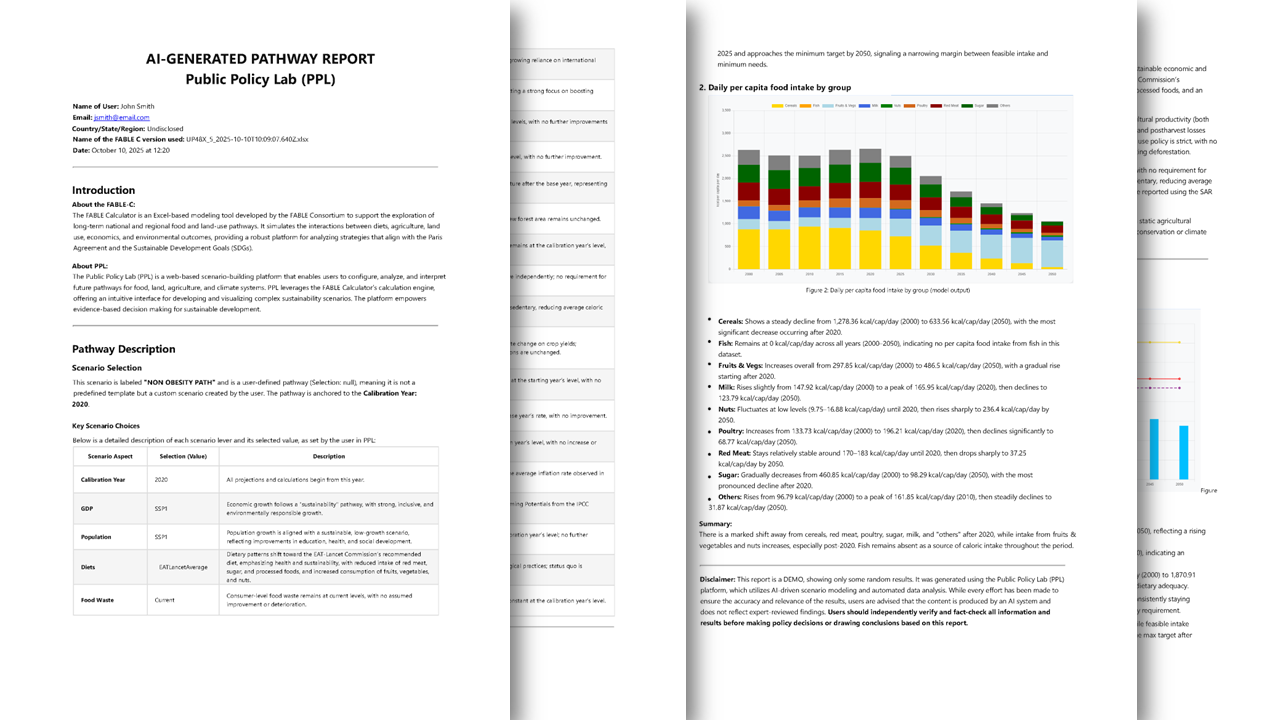
While the report offers valuable guidance, all interpretations must be reviewed and validated by each country’s FABLE-C team to ensure accuracy, contextual relevance, and alignment with national expertise.
Looking ahead, the Public Policy Lab will continue evolving into a more comprehensive and versatile platform for national food and land-use analysis. Upcoming developments include deeper trade-off exploration tools that allow users to visualize competing objectives—such as emissions reduction versus food affordability or forest protection versus agricultural expansion—in a clearer, more intuitive way. Interactive map-based views will bring spatial dynamics into focus, helping stakeholders understand where changes occur across landscapes and how regional differences shape national outcomes. In addition, the PPL will introduce specialized modules on themes such as biodiversity, water use, nutrition, and climate resilience, enabling country teams to explore sector-specific strategies in greater detail. Together, these enhancements aim to strengthen the PPL as a collaborative, evidence-based environment that empowers FABLE country teams and decision-makers to design more robust, transparent, and sustainable policy pathways.
The Public Policy Lab is the result of a collaborative effort led by the IIASA FABLE Secretariat, with core development carried out by IIASA’s Exploratory Modeling of Human-natural Systems (EM) and Novel Data Ecosystems (NODES) research groups. The Cloud4GEO project, an initiative for shared cloud Infrastructure for geoscientific data and services in Austria, hosts the ppl.scenathon.org back-end. The portal's development is partially funded by the International Climate Initiative (IKI), which has helped accelerate innovation, accessibility, and stakeholder engagement capabilities within the tool.
Researchers, stakeholders, and policymakers—both within and beyond the FABLE community—are invited to explore a free demo of the PPL at ppl.scenathon.org. The demo runs on an anonymized country setup with limited features, offering a preview of the platform’s capabilities without using real national data. For more information about the PPL, or to discuss country-specific applications, please contact Fernando Orduña-Cabrera at orduna@iiasa.ac.at