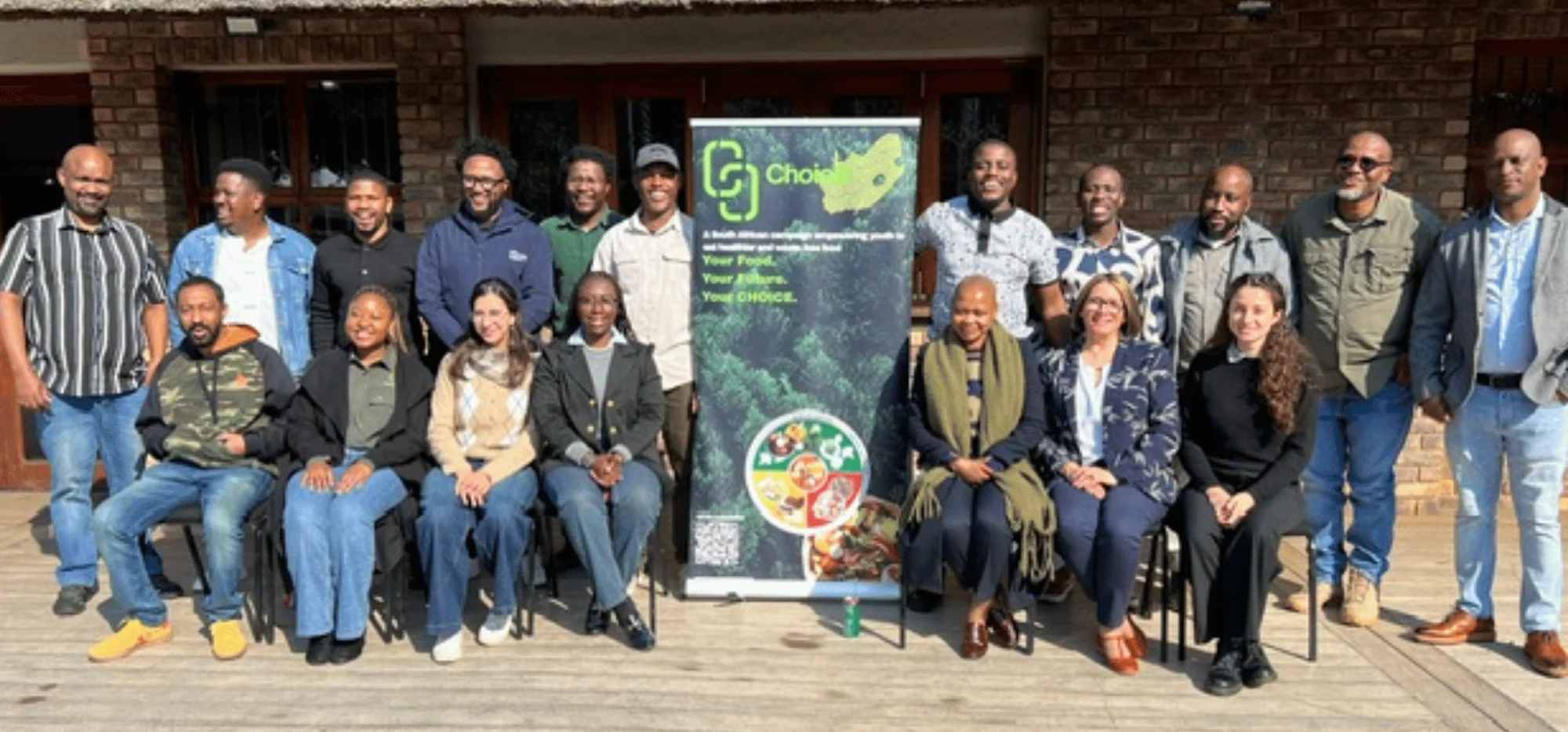
Authors: Rukhsar Jafferali, Clara Douzal, Aline Mosnier, Odirilwe Selomane
South Africa's food system is facing increasing pressure from climate change, changing dietary habits, and food security challenges. According to South Africa's Second Nationally Determined Contribution (NDC), the country is experiencing rising temperatures resulting in more frequent and severe droughts, floods, heatwaves, and wildfires. These climate hazards threaten agricultural production, water security, livelihoods, and nutrition, increasing the urgency for more resilient food systems.
At the same time, many South African households continue to struggle with food insecurity and limited access to healthy diets, a challenge highlighted in findings from the South Africa Report by the National Food and Nutrition Security Survey. Research from the University of the Western Cape shows that, as diets continue to shift away from traditional foods towards more meat and processed foods, rates of overweight and obesity are also increasing, ultimately resulting in the spread of non-communicable diseases.
What happens when some of a country’s most nutritious and climate-resilient crops gradually disappear from everyday diets and farms?
In South Africa, this is becoming an increasingly important question. According to the Indigenous Crops Flyer, crops such as sorghum and millet are highly nutritious, drought-tolerant, and naturally adapted to the country’s climate. However, their consumption has declined, particularly among younger generations. FAOSTAT shows that sorghum's contribution to South Africa's total dietary energy supply fell from almost 2% in 1961 to just 0.19% in 2023. With consumer demand now much lower, there is little incentive to expand production, reinforcing a cycle in which both production and consumption continue to fall.
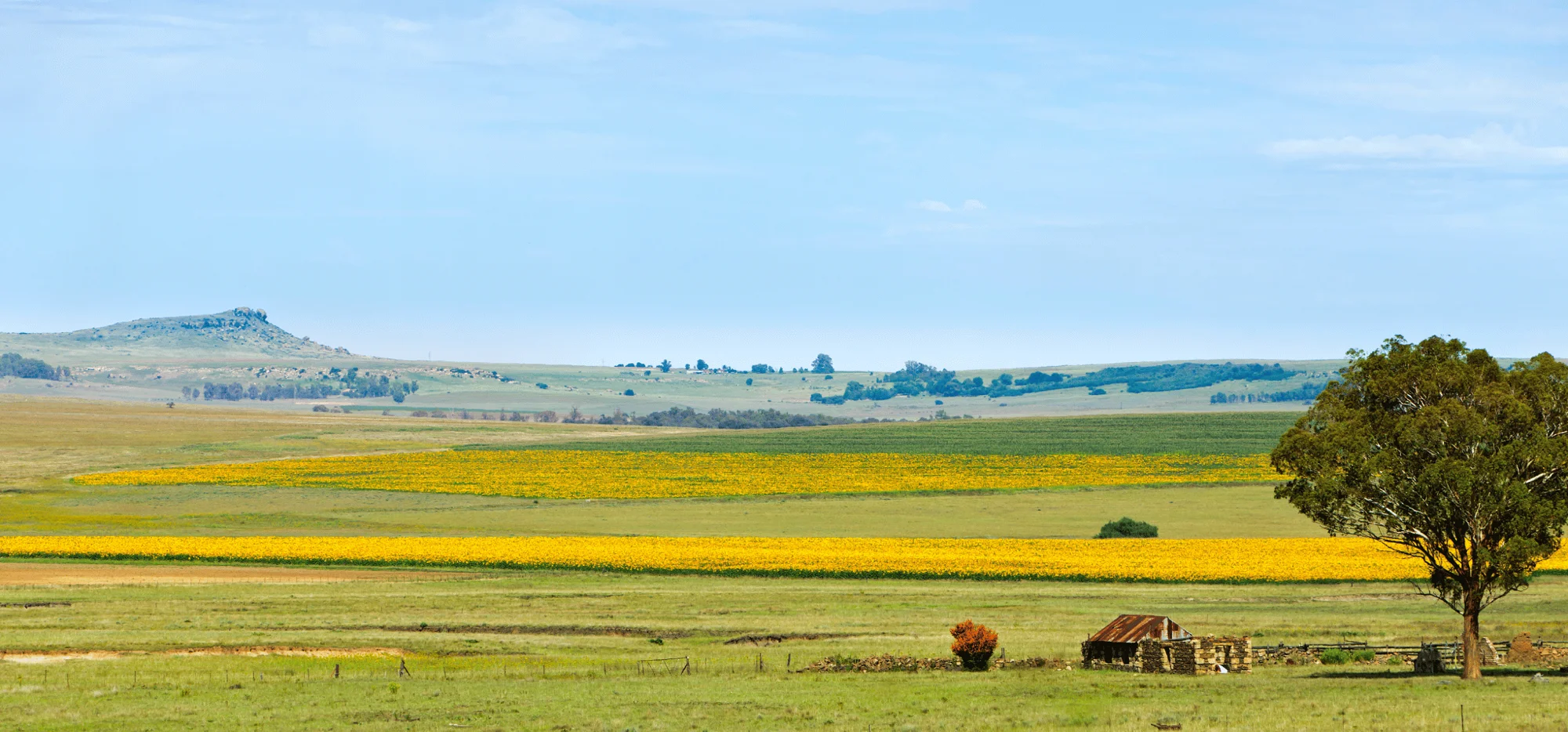
So how can South Africa encourage people, particularly younger generations, to rediscover indigenous foods while creating viable markets that incentivise farmers to grow them?
Through the CHOICE South Africa pilot, researchers from the University of Pretoria are exploring how behavioural change can help answer this question. By combining behavioural research, stakeholder engagement, and food system modelling, they seek to identify practical pathways that improve nutrition, strengthen climate resilience, and support a more sustainable and resilient food system.
Bringing Diverse Voices to the Table
To explore these challenges, SDSN (co-lead of the FABLE Secretariat) and the University of Pretoria (FABLE South Africa) organised a workshop in Pretoria on 1 July 2026. The workshop brought together representatives from local governments facilitating local economic development (including agricultural development), academia, mainly researchers, civil society organisations including activists, and the private sector representing specific crop development, to explore how behavioural change can support healthier diets and more sustainable food systems in South Africa.
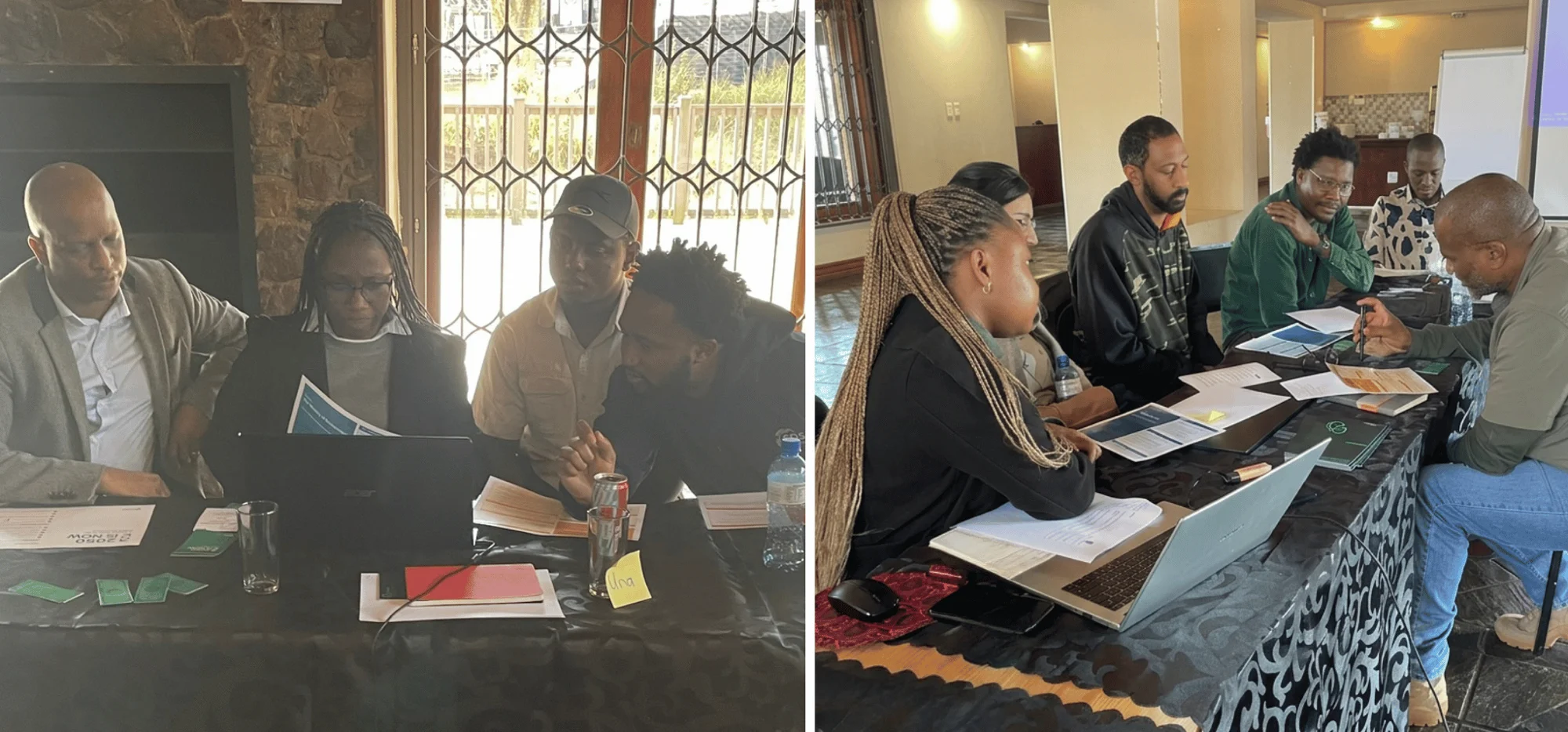
Through presentations, stakeholder discussions, and the interactive 2050 is Now serious game, participants explored future food system pathways and examined how local knowledge could strengthen future CHOICE scenarios and policy recommendations. The workshop ensured that the developed scenarios in the FABLE Calculator reflect the diversity of consumer behaviours and the realities of South Africa's food system.
Changing Diets Means Changing Behaviour
The discussions revealed that reviving indigenous crops is not simply an agricultural challenge; it is also a behavioural one. The prevalence of leafy vegetables among indigenous foods means they are difficult to store and transport to markets without significant economic losses. Reintroducing indigenous foods into everyday diets will require making them visible, accessible, and desirable again through education, greater awareness, and stronger market opportunities for producers. There are several opportunities to encourage behavioural change, including promoting indigenous foods through community-led initiatives, strengthening nutrition education, engaging young people, improving urban access to indigenous foods, and supporting smallholder farmers through stronger value chains. The University of Pretoria researchers ran campaigns with young adults to ignite curiosity and interest in these foods, with the hope of raising awareness about their importance.
Stakeholders also highlighted opportunities to strengthen the resilience of South Africa's food system in the face of climate change. This can be done through encouraging greater crop diversity, such as sweet potatoes, which were identified as an underutilised crop with potential to contribute to healthier and more resilient food systems. Additional solutions included reducing food waste, supporting regenerative agricultural practices, and improving preparedness for climate-related shocks such as droughts and El Niño events.
Looking Ahead
The workshop showed the value of a participatory approach. Local perspectives helped improve modelling assumptions, identify barriers that may not be visible through data alone, and highlight practical interventions that can support healthier diets while creating stronger markets for indigenous foods. The FABLE Calculator for South Africa is being updated accordingly, and final results will be shared in a policy brief in the coming months.
The insights gathered during the workshop reinforced the idea that dietary change cannot happen in isolation. Climate change, rising food prices, limited access to healthy foods, and broader social and economic pressures all influence food choices, reinforcing the need for coordinated action across agriculture, nutrition, education, and public policy. Building consumer demand, particularly among younger generations, will be equally important if these foods are to play a meaningful role in healthier diets, stronger rural livelihoods, and a more climate-resilient food system.