Authors: Rukhsar Jafferali, Julia Movshovich, Aline Mosnier and Clara Douzal
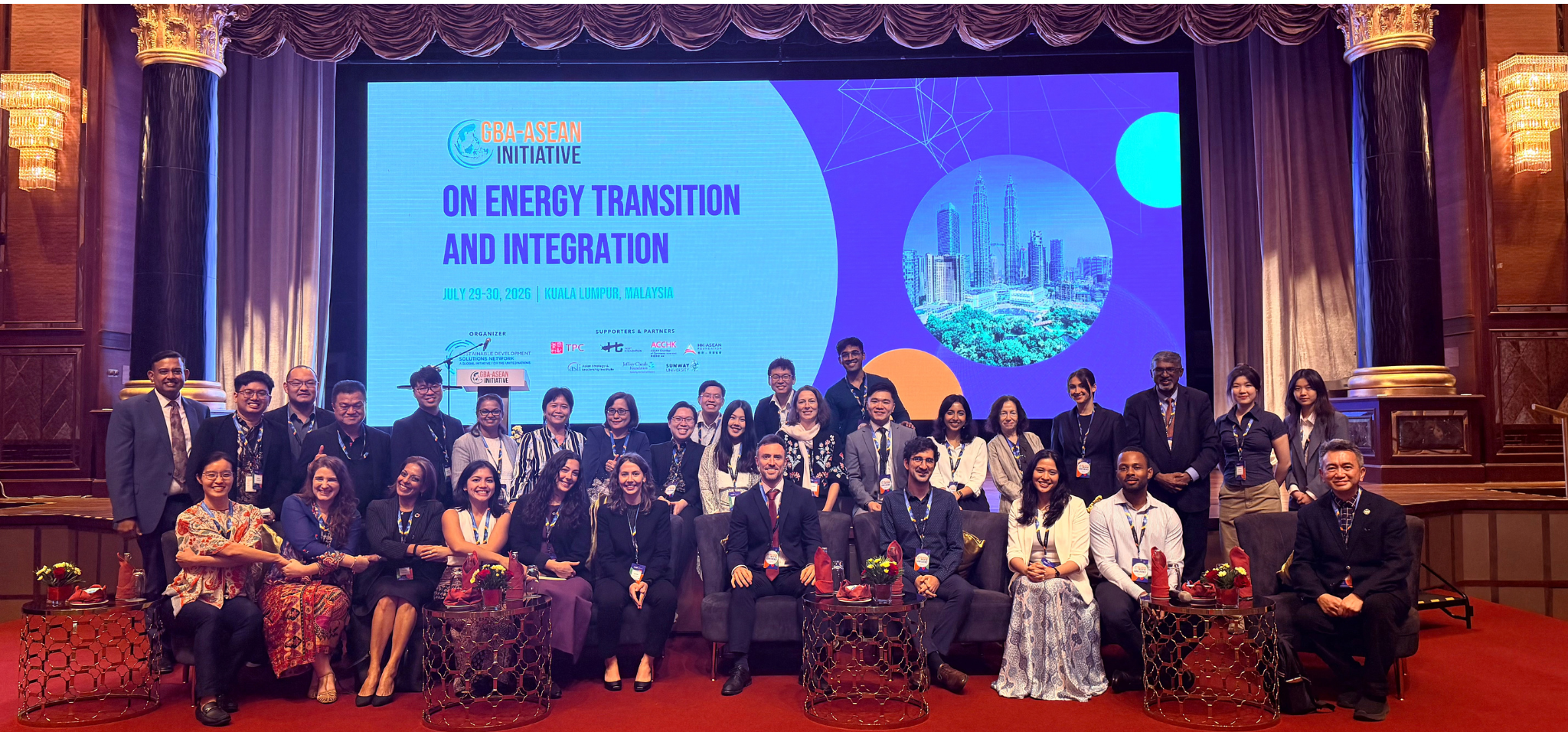
On the sidelines of the 2026 GBA–ASEAN Conference on Energy Transition and Integration, convened by SDSN in Kuala Lumpur from 27 to 30 July, a testing ground for modelling national pathways and scenarios for the ASEAN region was underway. Thanks to CHOICE, an EU Horizon project with a mission to forge climate-conscious choices in the food system by leveraging the power of Integrated Assessment Models (IAMs), conference participants got to test their data modelling skills and explore future scenarios. How do dietary trends change depending on income? How can we reflect the most reliable information on national greenhouse gas emissions? Are current proposed targets realistic opportunities for afforestation? These were just some of the scenarios they explored.
Advancing Food and Land Use Pathways in the Asia-Pacific
The Association of Southeast Asian Nations (ASEAN) is home to some of the world's most biodiverse ecosystems and tropical forests. At the same time, its food and agricultural systems support livelihoods and contribute significantly to regional and global food supply. According to a WMO report, countries across the region are increasingly exposed to climate change hazards, including floods, droughts, tropical storms, rising sea levels, and increasing temperatures. These challenges are closely connected to decisions around food production, land use, biodiversity and greenhouse gas emissions, marking the importance of building sustainable pathways in the ASEAN region.
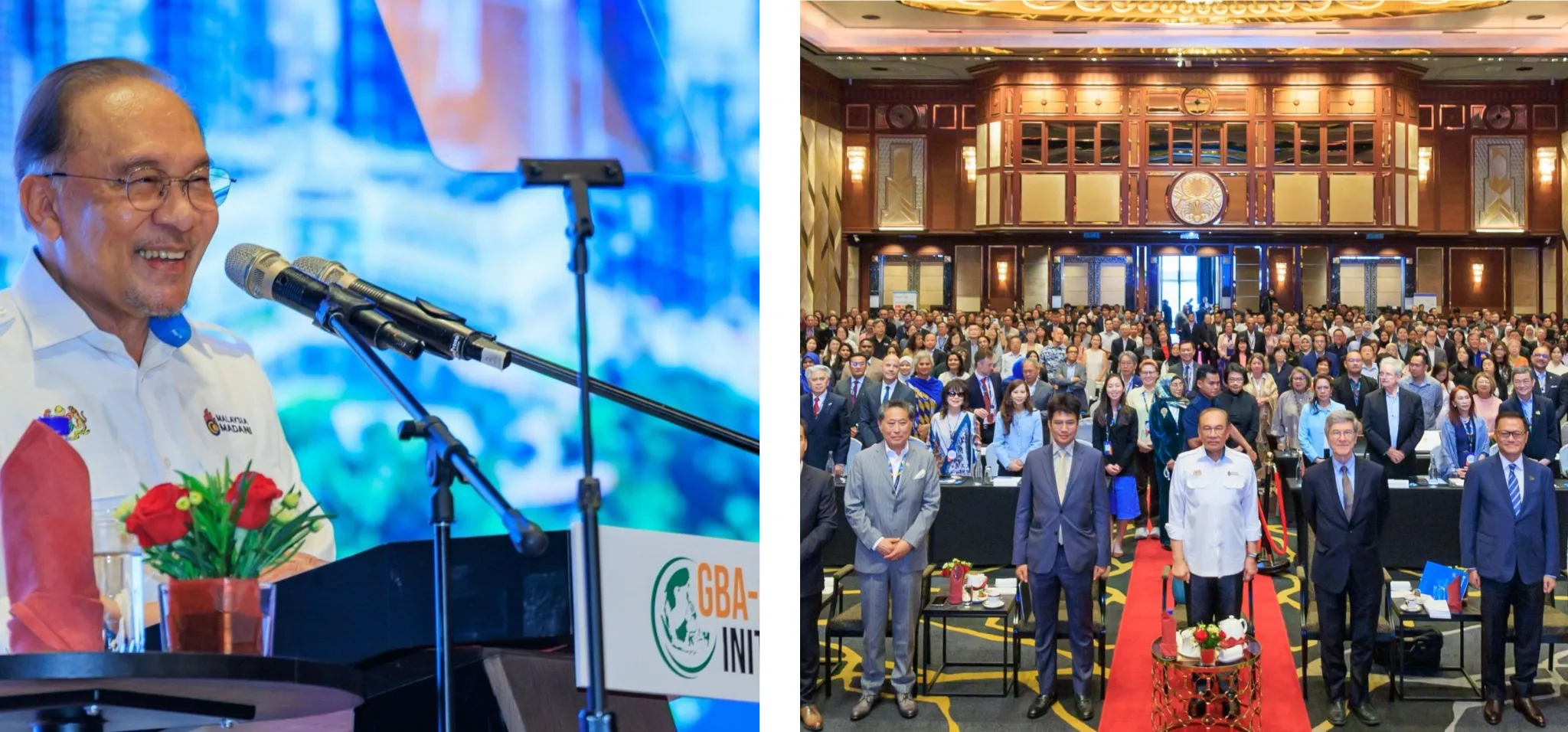
“The decisions we make in these critical years will echo for decades. Let us be remembered as the architects of a green golden age, an era where the economy thrived, the environment healed, and our societies became more compassionate, just, and unified.”
— Prime Minister of Malaysia, YAB Dato’ Seri Anwar Ibrahim, Keynote Address at the 2026 GBA–ASEAN Conference on Energy Transition and Integration
The 2026 GBA–ASEAN Conference on Energy Transition and Integration brought together stakeholders from government, academia, international organisations and the private sector to explore opportunities for stronger regional cooperation on sustainable energy systems, infrastructure and development. It was a crucial space for the FABLE Consortium to engage with a diversity of actors: Malaysian experts using FABLE tools for the first time, as well as FABLE members from India, China, Nepal, Pakistan, the Czech Republic, and Indonesia, to exchange experiences across different national contexts.
Building capacity through FABLE-Calculator training
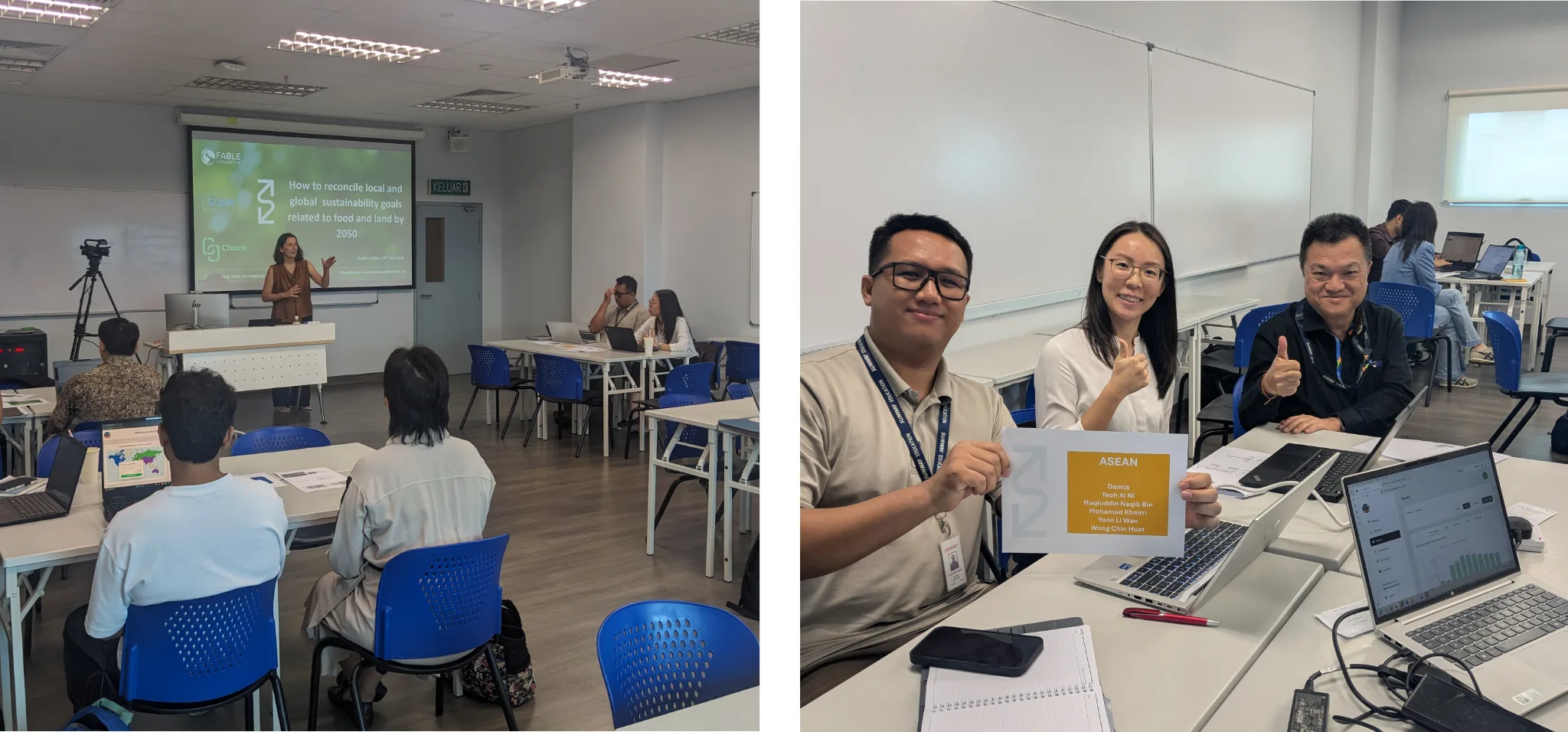
On 27 July, FABLE delivered a hands-on training session on the FABLE Calculator in Kuala Lumpur. The training aimed to strengthen existing FABLE Consortium members’ use of the model and help newer members develop the skills to build and explore evidence-based food and land-use scenarios.
Participants explored new scenarios, including a new dietary shift scenario using projected GDP per capita and income elasticity to better reflect current dietary trends at the country level. They also explored how the FABLE Calculator can be adapted to reflect national greenhouse gas emissions by adjusting emission factors and activity-level data to align with a country’s national inventory or a stakeholder-relevant baseline. For afforestation, participants explored how additional data and maps can help assess whether proposed targets reflect realistic opportunities for afforestation. By working directly with the tool, participants could see how different assumptions translate into different food and land-use futures.
Building this type of capacity is important because making a modelling tool available is not enough to ensure that it can be used effectively in a new context. Researchers and practitioners need the skills and confidence to understand the model, interpret its results, and translate stakeholders’ priorities into assumptions that can be explored through different scenarios. The training therefore provided one way of transferring approaches developed through CHOICE to FABLE teams working in different countries and contexts.
Exploring future pathways through a Mini Scenathon
On 28 July, FABLE organised a Mini Scenathon, a participatory exercise that brings together modelling, stakeholders, and technology to explore complex sustainability challenges. During the session, participants worked together to test combinations of actions such as dietary shifts, reductions in food loss and waste, afforestation, agroecological practices, and improvements in crop and livestock productivity.
For the first time in a FABLE Mini Scenathon, participants also used a new web interface for the FABLE-C developed by the International Institute for Applied Systems Analysis (IIASA). The interface allowed participants to run multiple iterations between local and global results. This made it easier for participants to see how different choices could contribute to local and global sustainability objectives and how regional decisions could affect wider outcomes related to food security, climate, biodiversity, water and nitrogen.
Rather than simply viewing model results, participants were put in the position of the modeller, testing their assumptions and seeing the consequences of their choices in real time. They were directly confronted with the benefits and trade-offs associated with different actions and could adjust their scenarios accordingly. Participants with little or no prior experience with the model quickly began exploring the broader repercussions of individual actions and how different measures could be combined to balance the priorities of the ASEAN region.
The Mini Scenathon provided a practical setting to test developments from the CHOICE project and explore how modelling can serve as a tool for discussion, collaboration and decision-making. By making the process more interactive, the exercise helped participants engage with complex sustainability pathways without requiring them to be modelling experts.
From Malaysia to other countries
The activities in Kuala Lumpur demonstrated how approaches developed through CHOICE can be transferred and adapted to different countries and contexts. The training materials, game-based learning approach, and interactive modelling tools provided practical ways to strengthen capacity beyond the original project setting.
The participation of FABLE teams from across Asia and beyond also created an opportunity to exchange experiences and consider how these approaches could respond to different national priorities. Malaysia provided a practical testing ground for CHOICE developments, while the participation of teams from other countries created a pathway for these approaches to be adapted and used more widely across the FABLE Consortium.