Sustainable Agricultural Futures: The Challenge Facing Guatemala, the Dominican Republic, and Mexico Under the Spotlight of BioFinCas and FABLE
By Katya Perez Guzman, Charlotte Gonzalez, Abraham, and Sarah Jones
Can agriculture feed the world without destroying the planet?
Food production and land-use systems are managed unsustainably in most regions of the world, limiting opportunities for green and equitable growth. This situation is particularly evident in coffee, banana, and cocoa production—sectors that are highly vulnerable to climate change, land constraints, and unequal international trade. These conditions disproportionately affect small-scale producers, who live in poverty, face food insecurity, and are exposed to the volatility of international prices.
Small-scale agricultural production units account for 90% of all such units worldwide and provide livelihoods—directly or indirectly—for up to 2.5 billion people. BioFinCas takes on this challenge with a clear goal: to support key small-scale producers in Guatemala, the Dominican Republic, and Mexico so that, together, we can achieve sustainable agriculture. To achieve this goal, support from and dialogue with key stakeholders in government and civil society in each country are essential. Models such as the FABLE-C calculator are strategic tools that allow stakeholders to explore the potential impacts of different futures for the food system and seek to minimize trade-offs between sectoral objectives.
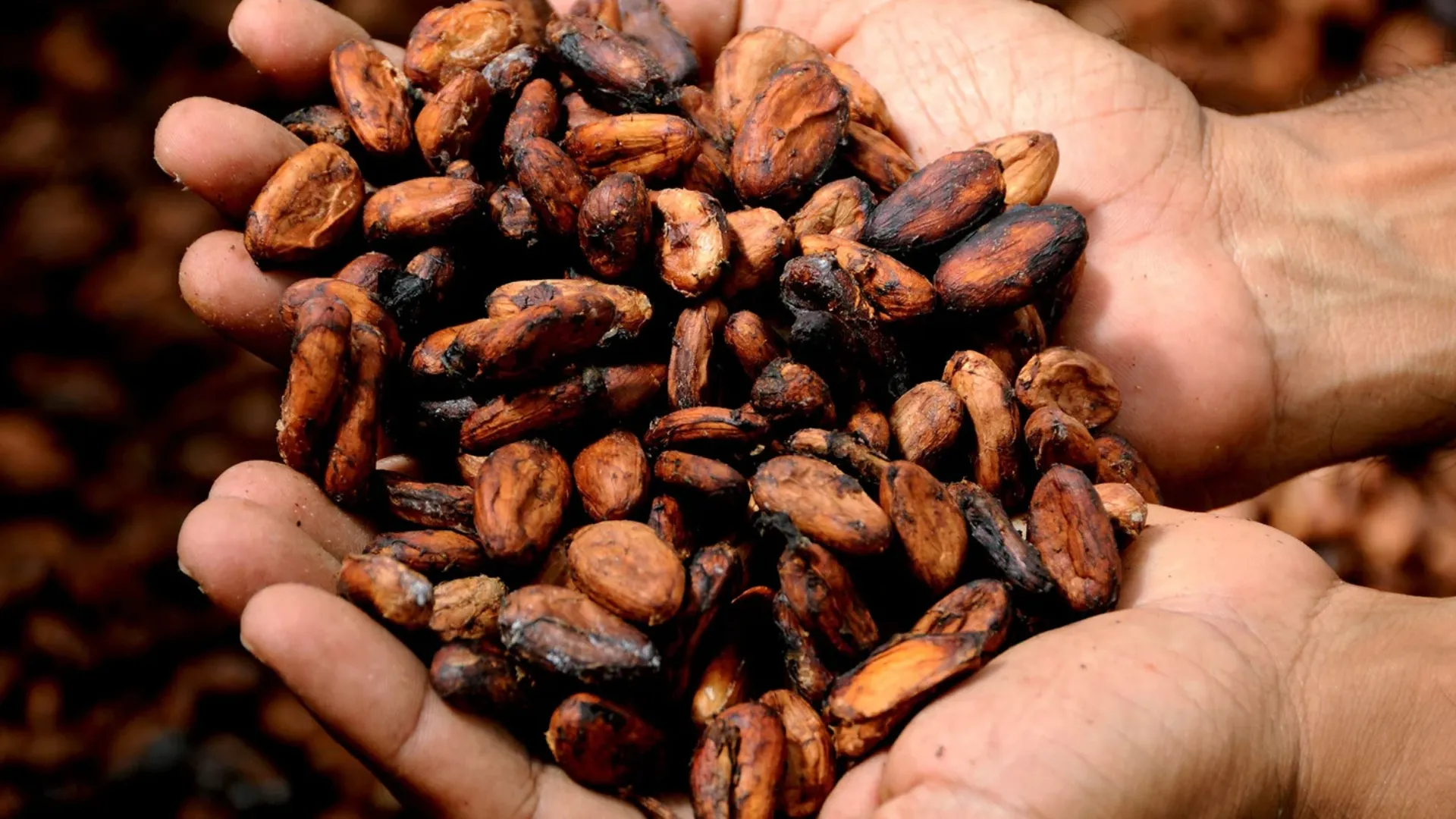
Imagine María, a cacao farmer in the Dominican Republic. Her harvest depends increasingly on unpredictable rainfall, and her income varies from year to year. María does not determine her country’s agricultural policy, but her livelihood does depend on it.
As part of the BioFinCas project, the Bioversity Alliance and CIAT, in collaboration with FDN and CEDAE, are organizing multi-stakeholder scenario-building workshops to jointly define and model, using FABLE-C strategies for scaling up biodiversity-friendly interventions at the farm level in the Dominican Republic, Guatemala, and Mexico.
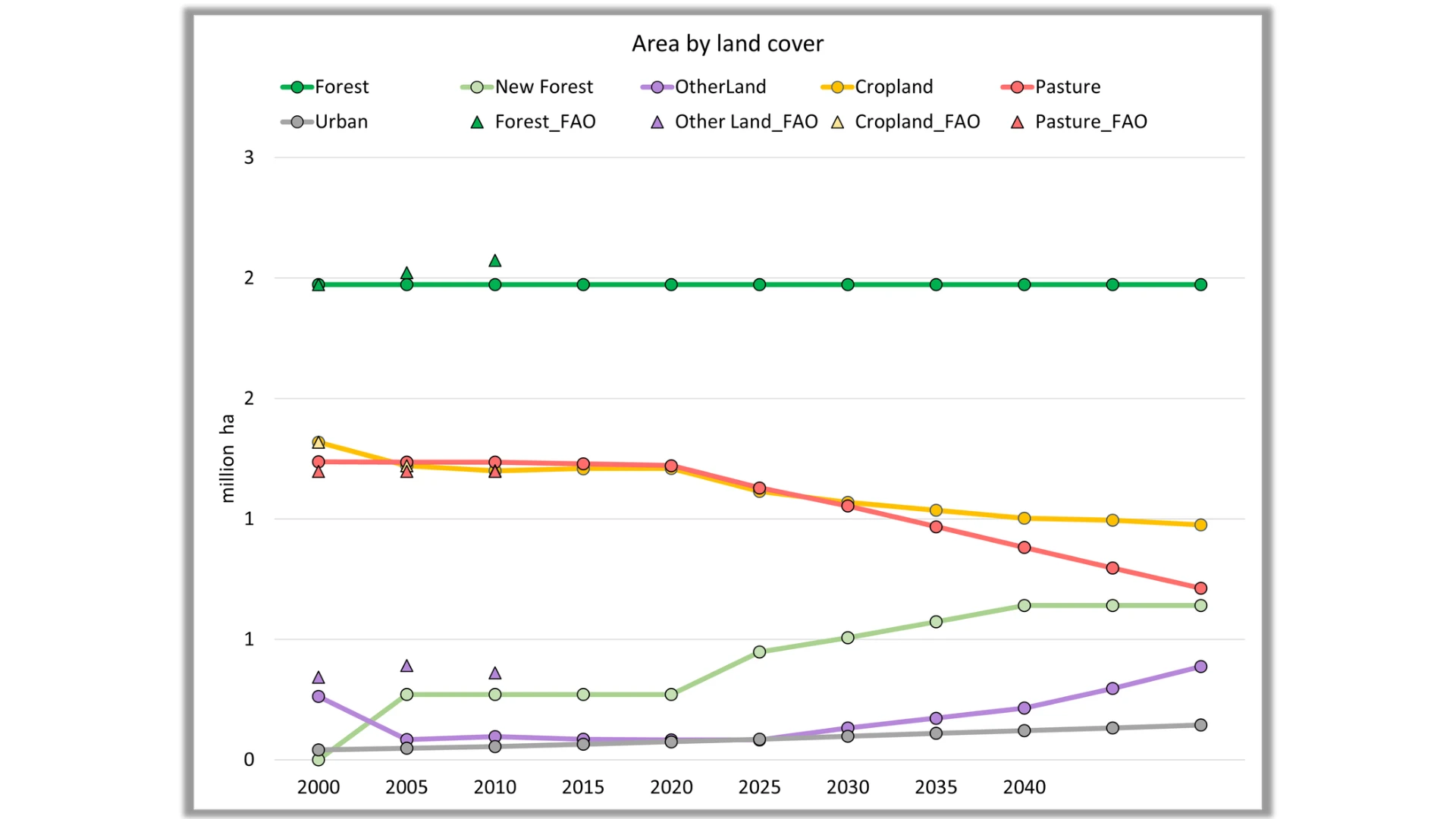
The model’s results will be used to compare the impacts of at least three future food systems on nutrition, biodiversity, climate change mitigation, and socioeconomic outcomes (employment, production costs). These three futures include:
1) a continuation of current trends,
2) the full implementation of national policy commitments based on an analysis of national development policies, agricultural policies, food guidelines, and commitments to global agendas, such as the Kunming-Montreal Post-2020 Global Biodiversity Framework, the Paris Agreement on climate change, and land degradation neutrality; and
3) sustainable practices for the production of domestic crops, including cocoa, bananas, and coffee. For these three crops, emphasis will be placed on organic production and agroforestry as means to promote biodiversity without compromising the income of producers of these crops.
The model’s parameters and assumptions will be developed jointly and refined iteratively through multi-stakeholder workshops and direct engagement with farmers’ associations, civil society, and government ministries in BioFinCas’s focal landscapes in the Dominican Republic, Guatemala, and Mexico.
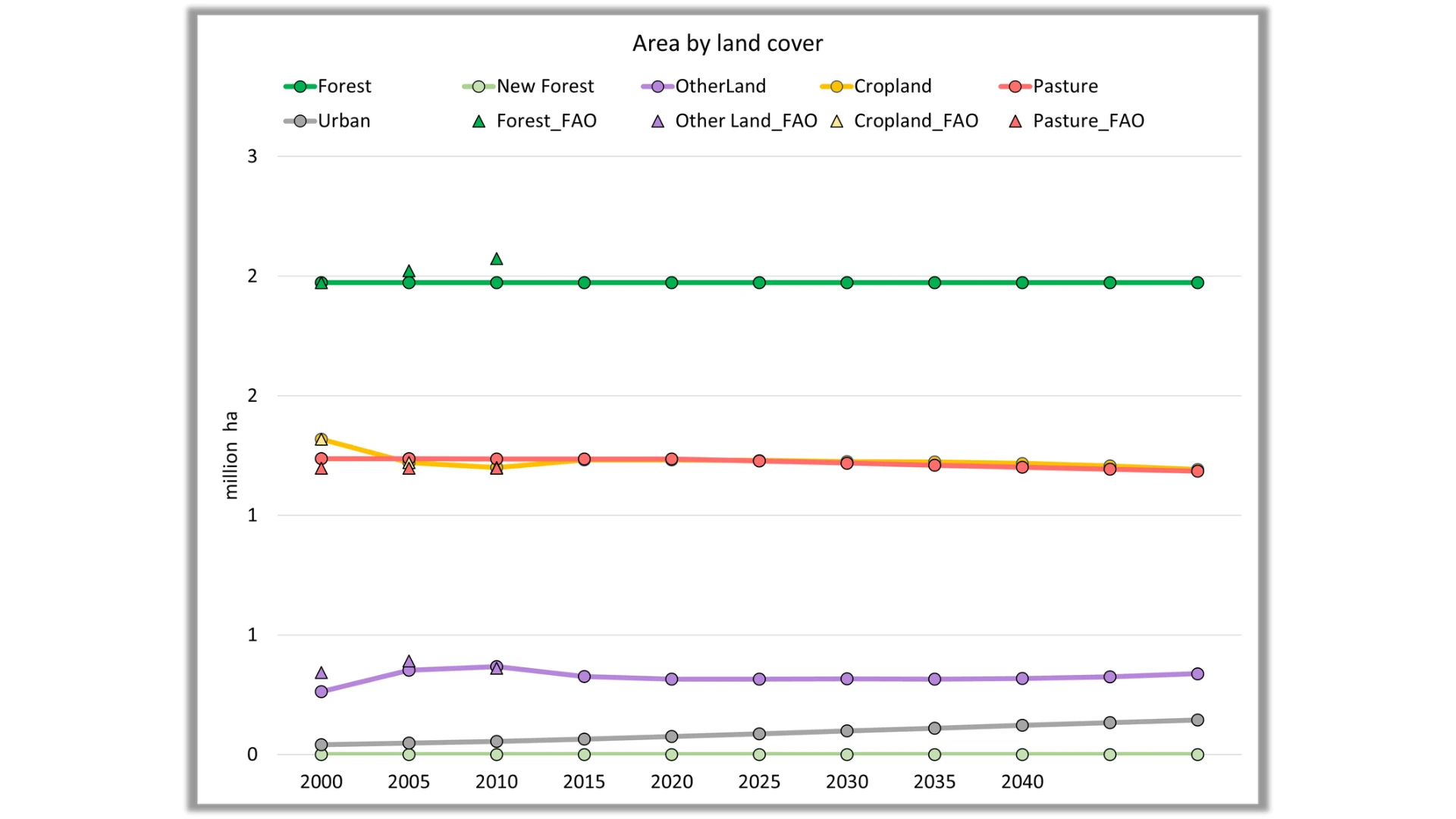
Over the coming months, the team is particularly interested in exploring:
- What would the expansion of biodiversity-friendly practices, such as organic agriculture, entail in terms of production costs, carbon sequestration, and changes in productivity?
- How would a shift toward biodiversity-friendly practices affect agricultural expansion rates and national biodiversity conservation goals?
- Where is the best place to scale up biodiversity-friendly agriculture in a way that minimizes trade-offs between agricultural productivity and biodiversity conservation at the farm, landscape, and national levels?
Through this work, the BioFinCas project seeks to co-create knowledge based on local realities and existing scientific evidence regarding ways in which banana, cocoa, and coffee production can help reduce poverty among smallholder farmers within the framework of a more sustainable agricultural future.